
As a coach, people don’t just pay me for a training plan; they pay me for the confidence to execute it. But sometimes, that confidence isn’t born from a string of successes, but from the hard-won lessons of a spectacular failure. Your race day plan is the final piece in the puzzle of being a smart triathlete.
This is the story of mine.
The Scene
I was in Montreal, representing my country at the World Sprint Triathlon Championships. To say this was the biggest race of my life would be an understatement. It was the culmination of years of work, of countless early mornings and late nights. I had sacrificed a lot of time and a lot of money just to be on that start line.
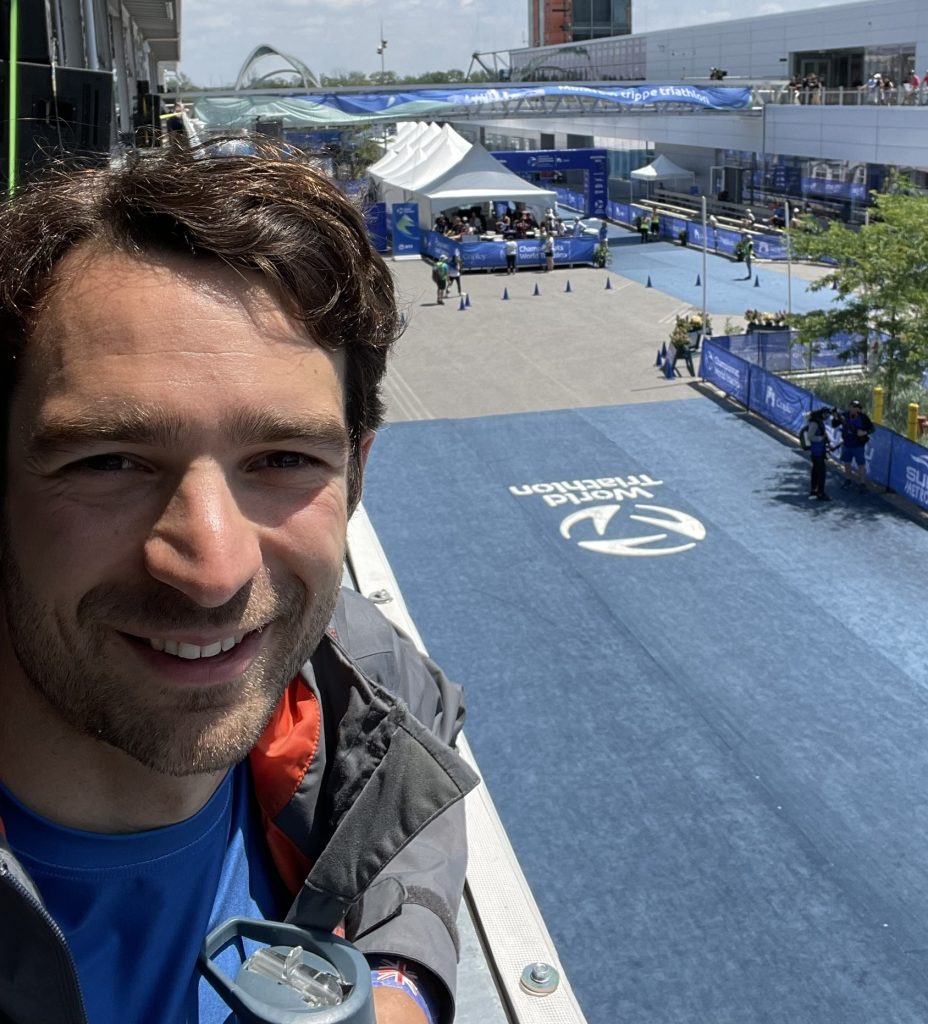
In the week leading up to the race, I did everything perfectly. I lived like a monk, if monks are obsessed with electrolyte balance and sleep with a foam roller. My nutrition was dialled in. My training was tapered to perfection. I was hydrated, rested, and ready. I had controlled every possible variable.
Or so I thought.
The Fatal Flaw
I had a plan for my training. I had a plan for my nutrition. I had a plan for my warm-up.
But I had no plan for a 30-degree Sunday in a city where the shops were closed. A tiny detail that, it turns out, was rather important.
On race morning, the heat was already radiating off the pavement. I went to grab a last-minute bottle of water, only to find everything shut. A minor inconvenience, I thought. I’d just have to be careful with the fluids I had.
Then came the second, more critical error. Due to race logistics, I had to rack my bike in the transition area a full two hours before my race was scheduled to begin.
So there my bike sat in the transition area, with my single bottle of fluid, slowly cooking in the Canadian sun. I, meanwhile, was stuck waiting elsewhere for two hours, powerless to do anything about it, getting progressively more dehydrated before the starting gun had even fired. The perfect preparation was unravelling.
The Meltdown
Once I got on the bike, I knew I was in trouble. My body had nothing. My legs felt like they were filled with wet sand. I desperately chugged most of the warm fluid from my bottle within the first ten minutes, but it was too little, too late.
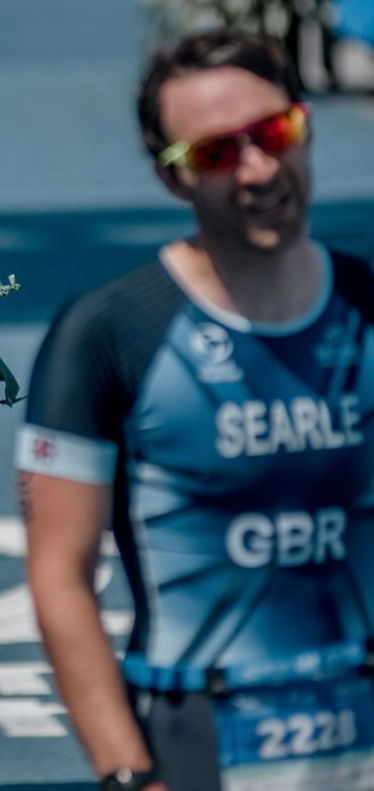
Competitors I should have been leaving behind were flying past me as if I were standing still. My head was spinning, the world tilting slightly with every pedal stroke. By the time I got to the run, I couldn’t think straight. The whole event was only just over an hour long, but it felt like an eternity of just shuffling, just surviving.
When I finally crossed the finish line, the first thing I did was grab three bottles of water and drink them like my life depended on it, which, at that moment, felt vaguely true. Then, I stumbled into an air-conditioned room and collapsed on the floor. It took me an hour before I could even think about standing up again.
The “Aha!” Moment
As I lay there on the floor of that cool room, trying to get my brain to work, I had my ‘Aha’ moment. My failure wasn’t my fitness; I was in the shape of my life, which made the whole ‘collapsing on the floor’ part particularly inconvenient. My failure wasn’t my motivation. My failure was purely logistical. It was a failure of planning.
In that moment of defeat, a huge part of how I develop confidence in my coaching clients was forged: perfect planning. It became a cornerstone of the Efficient Endurance philosophy. It wasn’t just about the training; it was about building unshakeable confidence in my athletes.
Ever since that day, I have been meticulous in planning for race day, looking at every different angle, but in a relaxed, confident way. Weather patterns, local logistics, nutrition timing, contingency plans, it all became part of the process.
Why My Failure is Your Greatest Asset
This brings me to why I’m telling you this story.
Efficiency doesn’t just happen. You have to plan for it.
If you don’t have a meticulous plan that covers every contingency, you will waste your time and your energy. That day in Montreal, I wasted months of perfect training because of a few hours of poor planning. Oh, and there are many other mistakes that you could make too! (Here are a few of them)
When an athlete works with me now, they get more than just a training plan. They get the benefit of my scars. They get the confidence of knowing that I am looking at their performance from every possible angle. They know that we will have a Plan A, a Plan B, and a Plan C, so they can step up to the start line feeling calm, prepared, and ready for anything. As well as a plan a coach can offer many more things, why not check out what.
My biggest failure as an athlete is now my greatest strength as a coach. I went through that hell so you don’t have to.


