

The Efficient Endurance Philosophy
Right, let’s have a word. Are you one of those? The ones who think the only path to a PB is to grind yourself into a fine, sweaty powder? We’ve all seen the ‘#NoPainNoGain’ posts from people who look like they’re having precisely zero fun. Inspiring stuff. But what if that constant knackered feeling isn’t a badge of honour, but a sign you’re just being a bit of a plonker?
What if the secret to getting faster wasn’t about training harder, but training smarter? Welcome to the Efficient Endurance philosophy – a way to get better results, reclaim a bit of your social life, and not run yourself into the ground for a hobby that’s supposed to be enjoyable.
A Lesson from the Swimming Pool
Picture it: me, a teenager who smelled permanently of chlorine, churning out mind-numbing lengths in a cold pool. I was putting in the hours, but I remember noticing that for all the hard work, I wasn’t getting much faster.
It was a proper lightbulb moment. It dawned on me that while I was putting in a heroic amount of effort, I was mostly just making an impressive amount of noise and splash. The stopwatch, a cruel and honest beast, confirmed I was mainly just making the water angry. I started chatting with my coaches, suggesting we focus on being slick rather than just strong. That single idea has stuck with me ever since. It’s not about smashing yourself; it’s about making every bit of effort actually count.
Why Volume Isn’t Everything
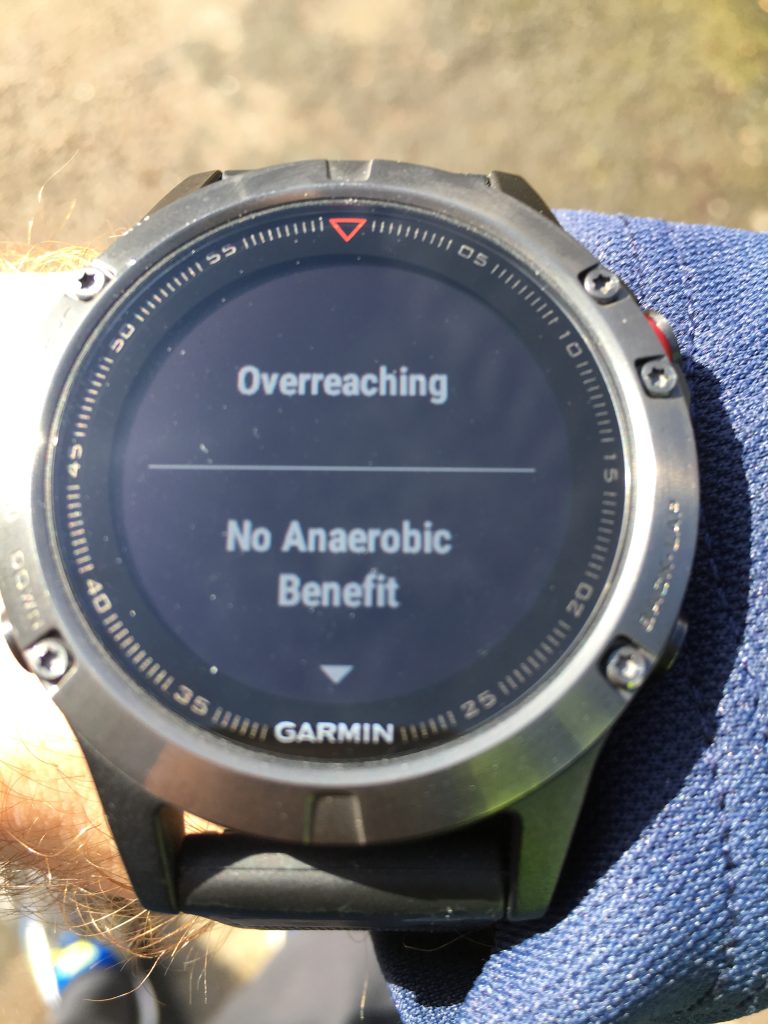
Ah yes, the cult of volume. Worshipping at the altar of the 20-hour training week. Come on, you know exactly who I’m talking about. You might even be that person. But you and I both know that more doesn’t automatically mean better.
Piling on junk miles is like thinking you can bake a better cake by just lobbing more flour at the wall. You get a mess, not a masterpiece.
And let’s be real, your race is going to take hours. So why are we so obsessed with training at a blistering pace we can only hold for a few minutes before our lungs try to escape? You’re training to be a brilliant sprinter for a marathon. Utter madness.
Finding Your ‘Goldilocks’ Intensity
Okay, this is the intervention part. The bit we all know is true but hate to admit: most of your training should be laughably easy. Comfortable. Relaxed, even. I know, it feels wrong. But that’s the zone where your body becomes a master of using oxygen to burn fat – the rocket fuel you’ll be relying on hours into your race.
We have to get better at listening to our bodies, not just our gadgets. We all know that feeling when you push past your threshold and your legs suddenly feel like they’ve been replaced by a pair of concrete wellies. That’s your body’s ‘check engine’ light, not a signal from your Garmin to ’embrace the suck’. If you constantly chase that feeling, you’re just getting good at lasting five minutes. Not a great strategy for a multi-hour event.
Here’s the simple test: if you feel like you can’t face any training tomorrow, you’ve probably worked too hard today.
If a gentle recovery session sounds like a trip to the dentist, it’s a sure sign you’ve rinsed your energy stores and your body is waving a tiny white flag.
And the glorious side effect of not battering yourself constantly? You might actually stay injury-free long enough to enjoy your fitness. Imagine that.
All the Gear, And Some Idea
You don’t need a lab that looks like something out of a Bond film, but a couple of bits of kit are non-negotiable if you’re going to stop bluffing your way through your easy sessions.
- A Heart Rate Monitor: Get one. It’s your brutally honest mate that tells you when you’re actually taking it easy, not just telling your Strava followers you are.
- The Right Shoes: For the love of God, don’t just buy the luminous carbon-plated spaceships your mate Dave won’t shut up about. You know, the one who posts his VO2 max on his Instagram story? Go to a specialist shop, try on multiple pairs, and find what’s genuinely comfortable for your feet.
The Proof Is in the Personal Best
“Alright,” I hear you say. “Sounds great, but does this lazy approach actually work?” Fair question. Here’s a classic case: I coached an athlete who was diligently putting in 14-15 hours a week and was completely stuck. We ripped up the plan. We reduced her hours, made her easy sessions genuinely easy, and sharpened the few hard sessions to be incredibly specific. The result? In just four months, she knocked a staggering eight minutes off her half marathon PB. Less training, huge leap in performance. The stopwatch doesn’t lie.
The Takeaway: Train with Your Head, Not Just Your Legs
So, the big secret, the master plan? It’s embarrassingly simple, really. Real fitness gains are made not during the session, but when you’re on the sofa with your feet up afterwards.
Focus on the quality of your training, not the quantity. Build a massive aerobic base at a comfortable effort. Fuel yourself properly (yes, that includes a bit of broccoli). And learn to actually listen when your body asks for a day off.
Give it a go. The worst that can happen is you get a bit more sleep. The horror.


